The pedicure, done properly
What a good pedicure includes, the hygiene points worth checking and how to look after your feet and toenails between appointments.
Feet carry us through every day and rarely receive the attention our hands do. A well-done pedicure changes that: it leaves toenails neat, skin smooth and polish that lasts noticeably longer than on the fingers. Done badly, it can do more harm than good. Here is what a proper pedicure involves, what to watch for at the salon and how to keep the result between visits.
What a good pedicure includes
A complete pedicure follows a clear sequence, and each stage has a purpose. The order may vary slightly between salons, but the essentials are the same.
- Soak. Warm water softens the skin and nails and makes the following steps gentler.
- Trim. Toenails are cut straight across and not too short.
- Shape. The edges are smoothed with a file so they do not catch.
- Cuticle care. Softened cuticles are pushed back gently rather than cut away.
- Smooth calluses. Hard skin is reduced gently with a foot file or .
- Exfoliate. A scrub lifts dry, flaky skin from the feet and lower legs.
- Massage. A short massage with lotion or oil relaxes the feet and leaves the skin supple.
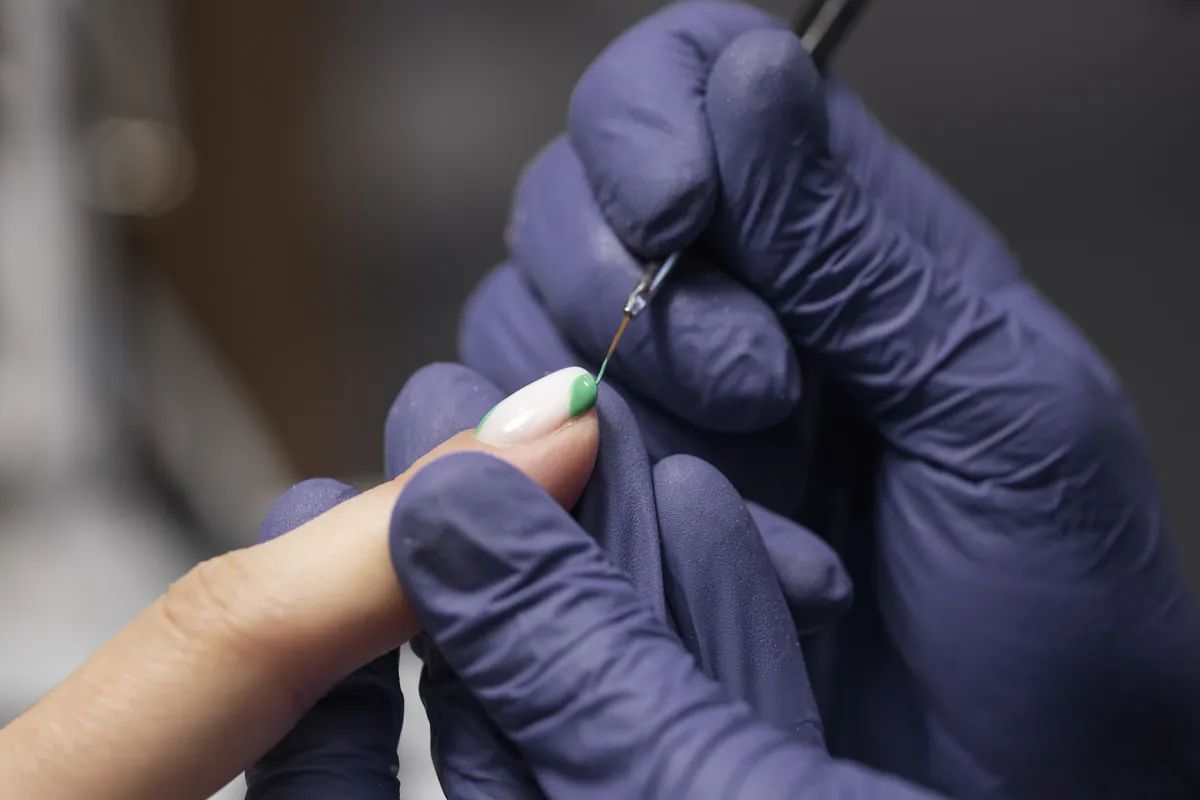
- Polish. The nails are cleansed and painted with base coat, colour and top coat.
Expect the whole treatment to feel unhurried. Each stage depends on the one before it: softened skin is easier to smooth gently, and a nail plate cleansed of lotion and oil after the massage gives polish a far better grip.
Toenails and calluses: less is more
Toenails should be cut straight across and not too short. This is standard advice from the NHS, and it reduces the risk of ingrown toenails, where the edge of the nail grows into the surrounding skin. Rounding the corners deeply or cutting far down the sides works against this, however tidy it may look at first. If a toenail is already painful, red or swollen at the side, it is not a job for a pedicure: see a or doctor, who can treat it properly.
Calluses deserve similar restraint. Hard skin builds up where the foot meets pressure and friction, and it protects the skin underneath. The aim is to smooth it, not remove it entirely. A foot file or pumice used gently does the job well. Many dermatologists advise against razor blades, which can cut too deep and leave the skin open to infection.
The aim is to smooth it, not remove it entirely.
Hygiene at the pedicure salon
Foot tubs are the part of a pedicure most worth asking about. Warm water and a steady flow of clients make thorough cleaning essential, so ask how the tubs are cleaned and disinfected between clients. Disposable liners or pipe-free basins are easier to keep clean than tubs with hidden whirlpool pipes.
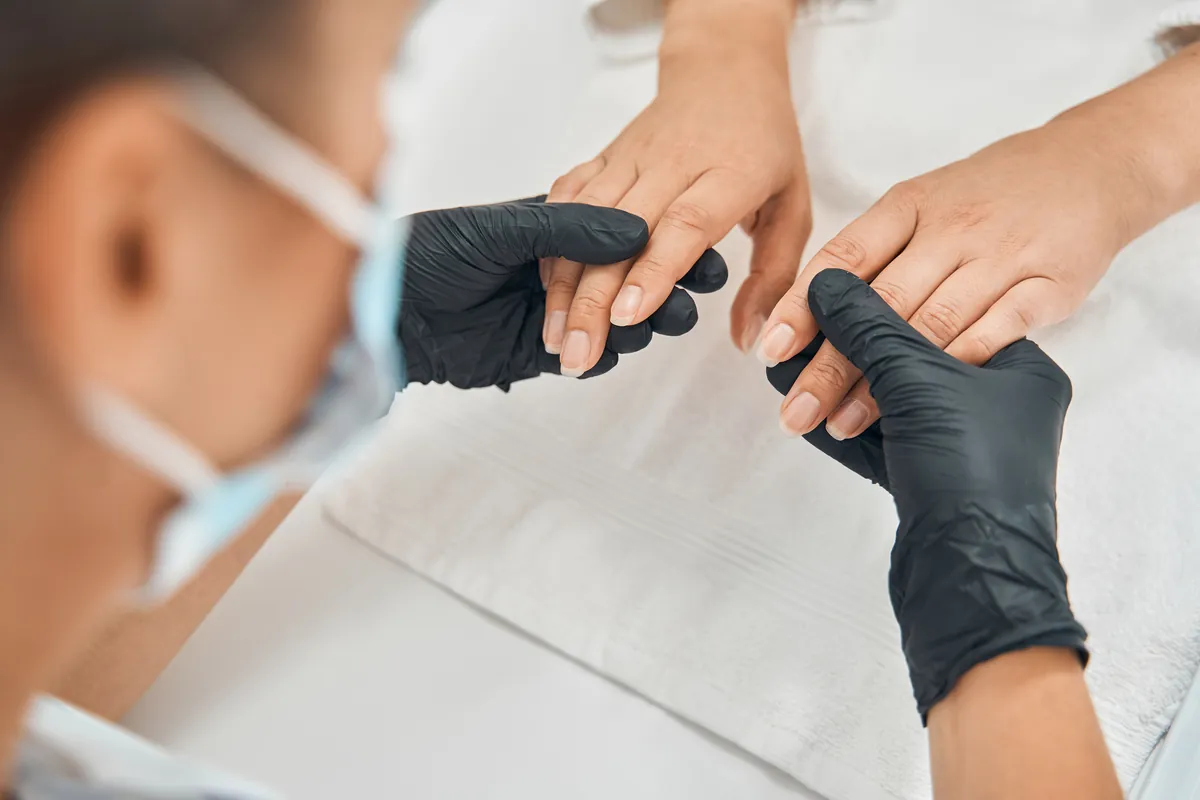
The same standards apply as for a manicure: metal tools sterilised and taken from sealed pouches, files and buffers new for each client, and a technician who looks at your feet before starting. A careful technician will not work on skin or nails that look infected.
There is preparation on your side too. The American Academy of Dermatology advises not shaving your legs in the 24 hours before a pedicure, because small nicks can let bacteria in. If you have cuts, broken skin or a rash on your feet or lower legs, it is wiser to postpone the appointment.
Why polish lasts longer on toes
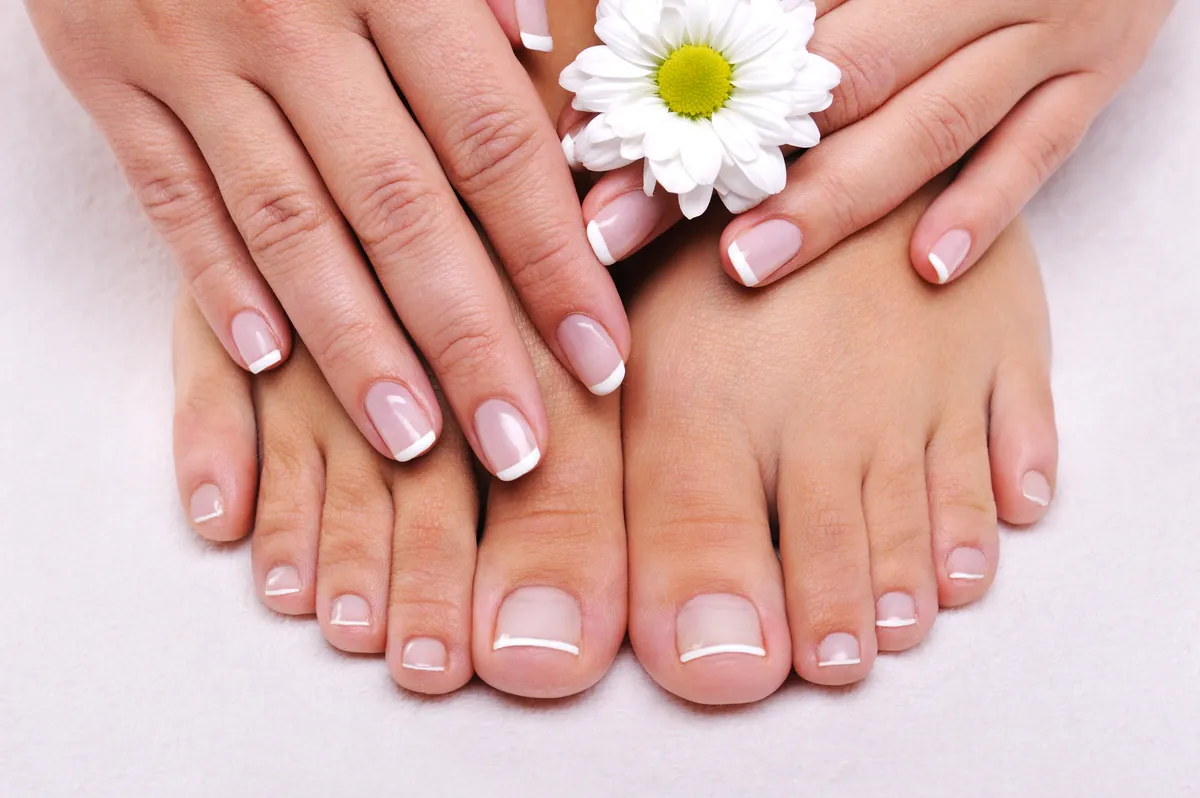
If your pedicure colour seems to outlast your manicure by a long way, you are not imagining it. Polish lasts longer on toenails than on fingernails, because toenails grow more slowly and see far less wear. There is no typing, washing up or rummaging in bags to chip the tips. Slower growth also means the gap at the cuticle appears later, so a pedicure colour can look tidy well after a manicure would need redoing.
To protect fresh polish, bring open-toed shoes or sandals to the appointment and give the colour time before squeezing into closed shoes. Polish can feel dry to the touch within minutes but takes considerably longer to harden fully, and the pressure of a shoe is often enough to mark it.
Caring for feet between appointments
- Wash and dry your feet thoroughly, including between the toes.
- Moisturise the heels and soles regularly, but not between the toes.
- Smooth hard skin gently with a foot file every so often rather than in one heavy session.
- Trim toenails straight across and not too short.
- Choose shoes that fit well and give the toes room.
- Let damp shoes dry fully before you wear them again.
Some feet need more than a pedicure. People with diabetes or circulation problems should have their feet looked after by a podiatrist, who can care for nails and skin safely. And if you notice pain, redness, swelling, a nail that thickens or changes colour, or a sore that does not heal, see a podiatrist or doctor rather than covering it with polish.
Glossary
- Callus
- An area of thickened, hard skin formed by pressure and friction, which protects the skin beneath it.
- Ingrown toenail
- A nail whose edge grows into the surrounding skin, a risk reduced by cutting straight across and not too short.
- Pumice
- A light, porous volcanic stone used to smooth hard skin on the feet gently.
- Podiatrist
- A health professional who specialises in the feet, including nail and skin care for people with diabetes or circulation problems.
- Pipe-free basin
- A pedicure tub without hidden whirlpool pipes, which makes cleaning and disinfecting easier.
Questions and answers
Is it safe to have calluses removed with a blade?
Calluses protect the skin, so the aim of a pedicure is to smooth them, not to cut them away. Many dermatologists advise against razor blades, because they can cut too deep and leave the skin open to infection. A foot file or pumice, used gently, is the safer choice. If hard skin is painful or keeps returning, see a podiatrist.
Should I have a pedicure if I have diabetes?
People with diabetes or circulation problems should have their feet looked after by a podiatrist. Small cuts or nicks that would be minor for others can become more serious, and a podiatrist is trained to care for nails and skin safely. Speak to your doctor or podiatrist before booking a cosmetic pedicure, and follow their advice.
What should I ask about the foot tubs?
Ask how the tubs are cleaned and disinfected between clients, and whether the salon uses disposable liners or pipe-free basins, which are easier to keep clean. A professional salon answers clearly and without hesitation. Also check that metal tools come from sealed pouches and that the files are new for you. If the answers are vague, consider booking elsewhere.