Square, almond, coffin: a guide to nail shapes
Every major nail shape compared for strength, practicality and the way it changes the hand, with a calm method for filing each one.
Try “French”, “cuticle”, “chrome” or “undertone”. Press Esc to close.
Interactive tool
Four questions about your hands and your routine. We show the shape that suits you best, plus a second choice.
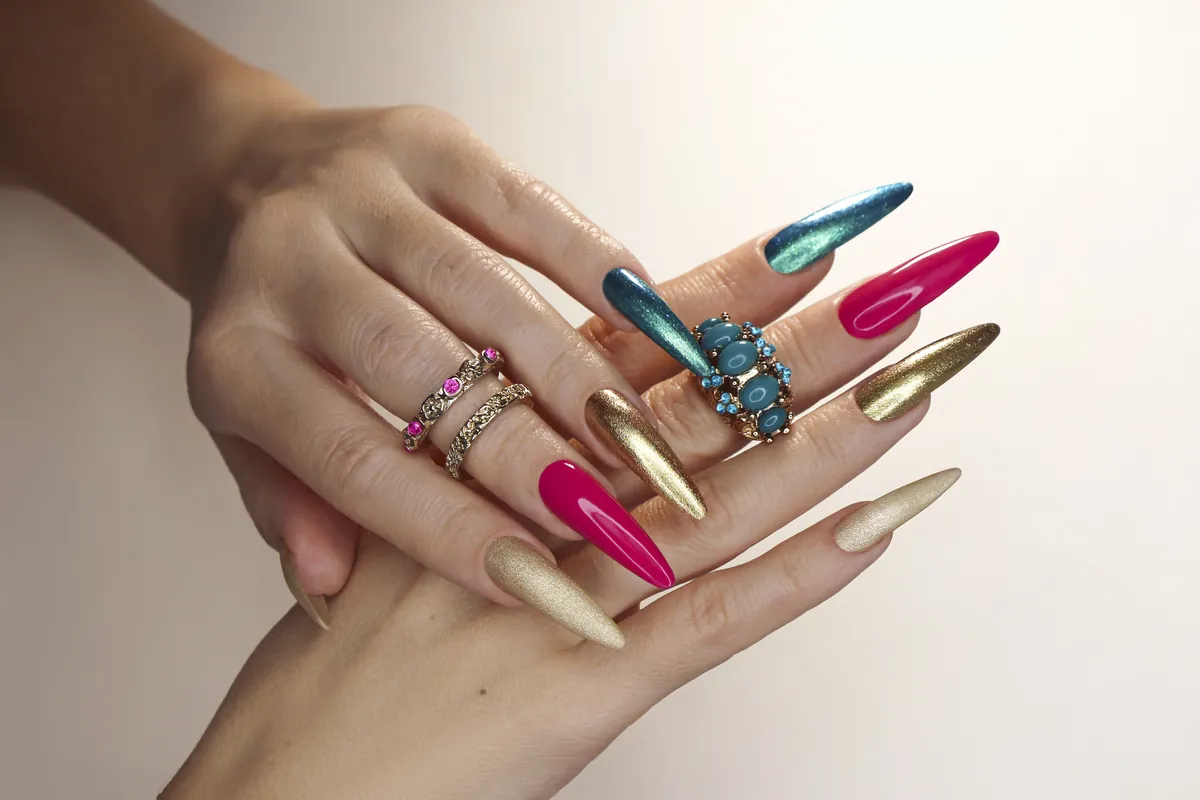
The shape of the free edge changes how long the fingers look, how strong the nail is and how practical it feels. Shapes with a wider tip, such as square, squoval and round, spread stress more evenly and suit active hands. Oval and almond shapes tend to make fingers look longer and slimmer. Pointed stiletto shapes have a narrow tip and usually need the strength of an extension.
Your result is a starting point. Try it in the Virtual Nail Studio with your favourite colour, and read the full guide to nail shapes to learn how to file each one. When filing, work from each side towards the centre in one direction and check the shape from the palm side and from above.
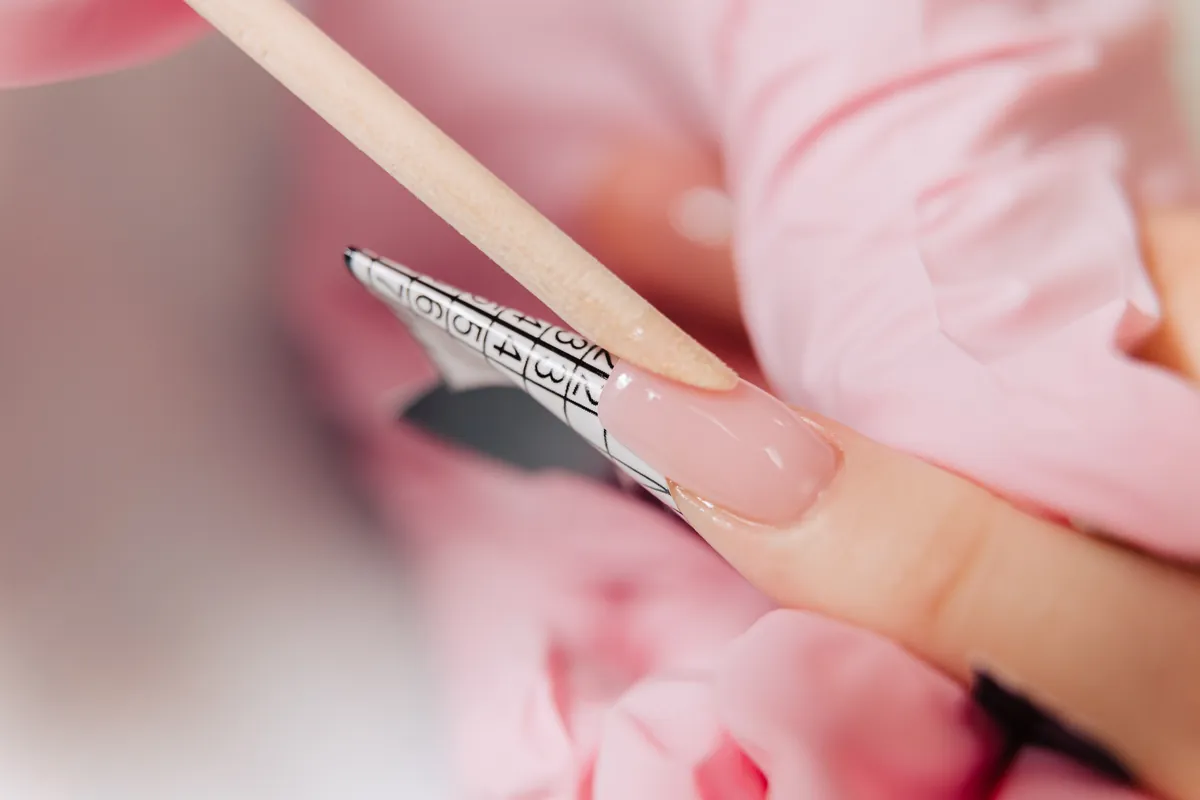
On natural nails the shape is limited by how much free edge you have, so short nails suit round, squoval or a short oval. Longer shapes such as almond, coffin or stiletto on short nails need extensions, which a technician builds on tips or forms and maintains with regular infills.
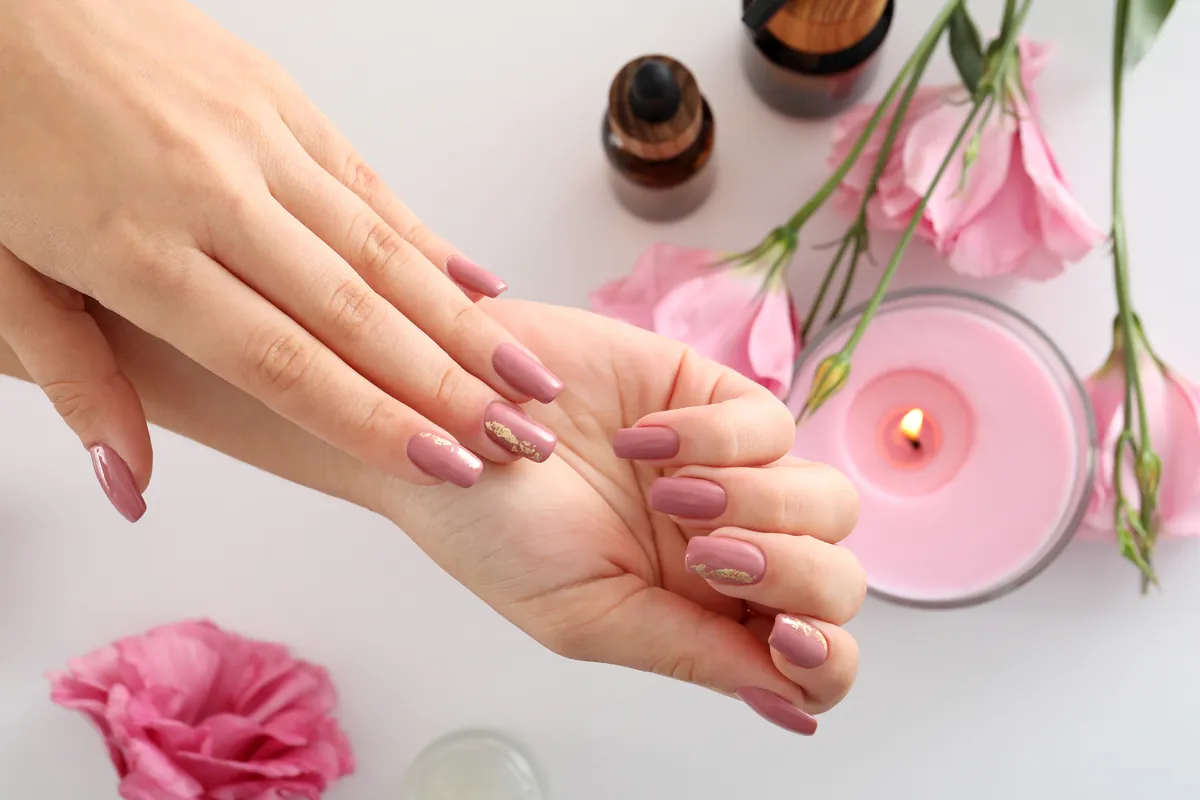
Squoval and round are usually the most practical. They have no sharp corners to catch, they follow the fingertip and they spread pressure well. Both work on short nails, which makes them a popular choice for people who type a lot or work with their hands.
Read more
Every major nail shape compared for strength, practicality and the way it changes the hand, with a calm method for filing each one.
Acrylic, hard gel, soft gel tips, polygel and press-ons all add length, but they are applied, maintained and removed in very different ways.
A calm, unhurried routine for nails that look professionally done and last: preparation, shaping, cuticle care, thin coats and a proper finish.