Square, almond, coffin: a guide to nail shapes
Every major nail shape compared for strength, practicality and the way it changes the hand, with a calm method for filing each one.
The shape of a nail changes the whole hand. It can make fingers look longer or more delicate, it decides how well the nail copes with daily life, and it frames every colour you paint on it. Before choosing a shade, it is worth choosing a shape with the same care. This guide describes the main shapes, compares their strengths and explains how to file each one cleanly.
Know the parts of the nail
A few terms make shapes much easier to understand. The is the part of the nail that extends beyond the fingertip. The are the edges along each side of the nail. The is where the nail leaves the nail bed, the point where it is most likely to bend or break under pressure.
Every shape is really a decision about the free edge and the sidewalls: how straight or tapered they are, and how wide the tip remains. That single decision affects both strength and style, which is why the same length can feel sturdy in one shape and fragile in another.
The eight main shapes
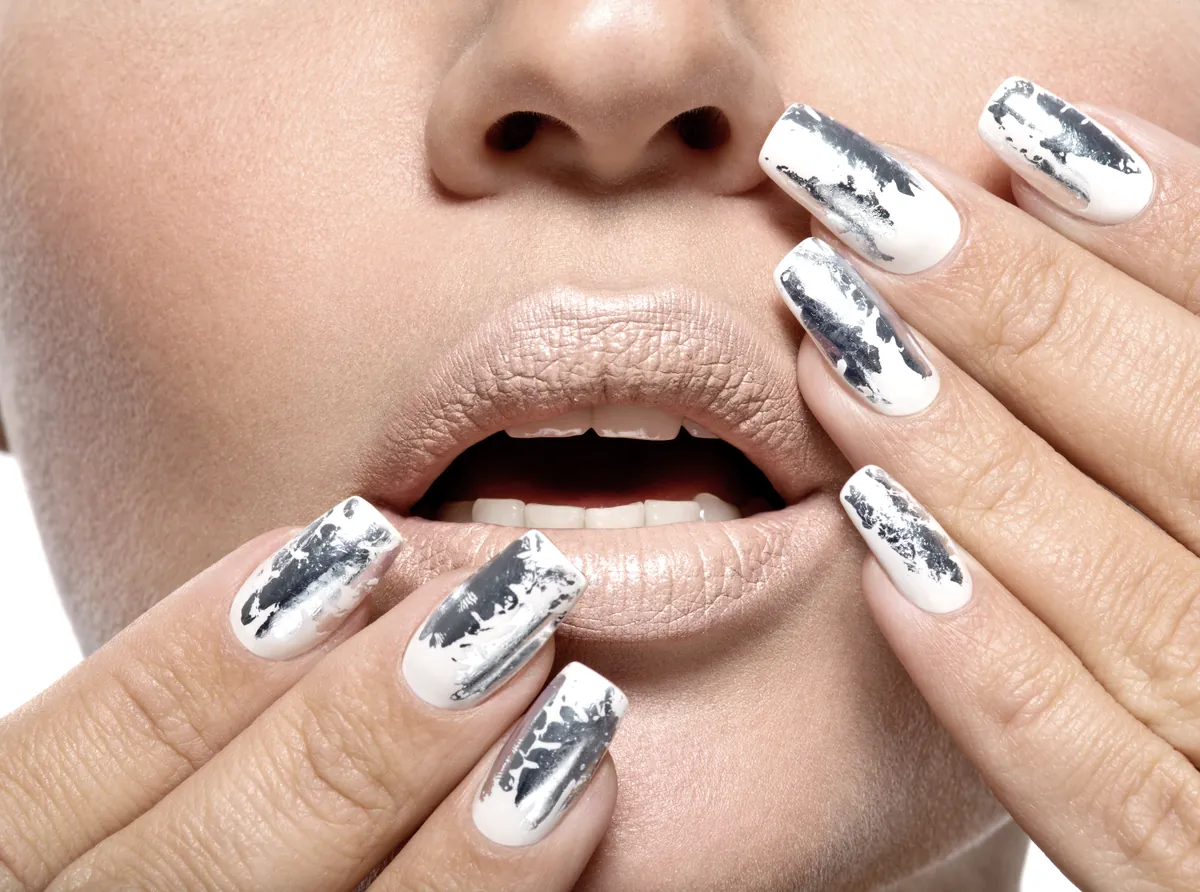
- Square: straight sides and a flat tip. Crisp, graphic and modern.
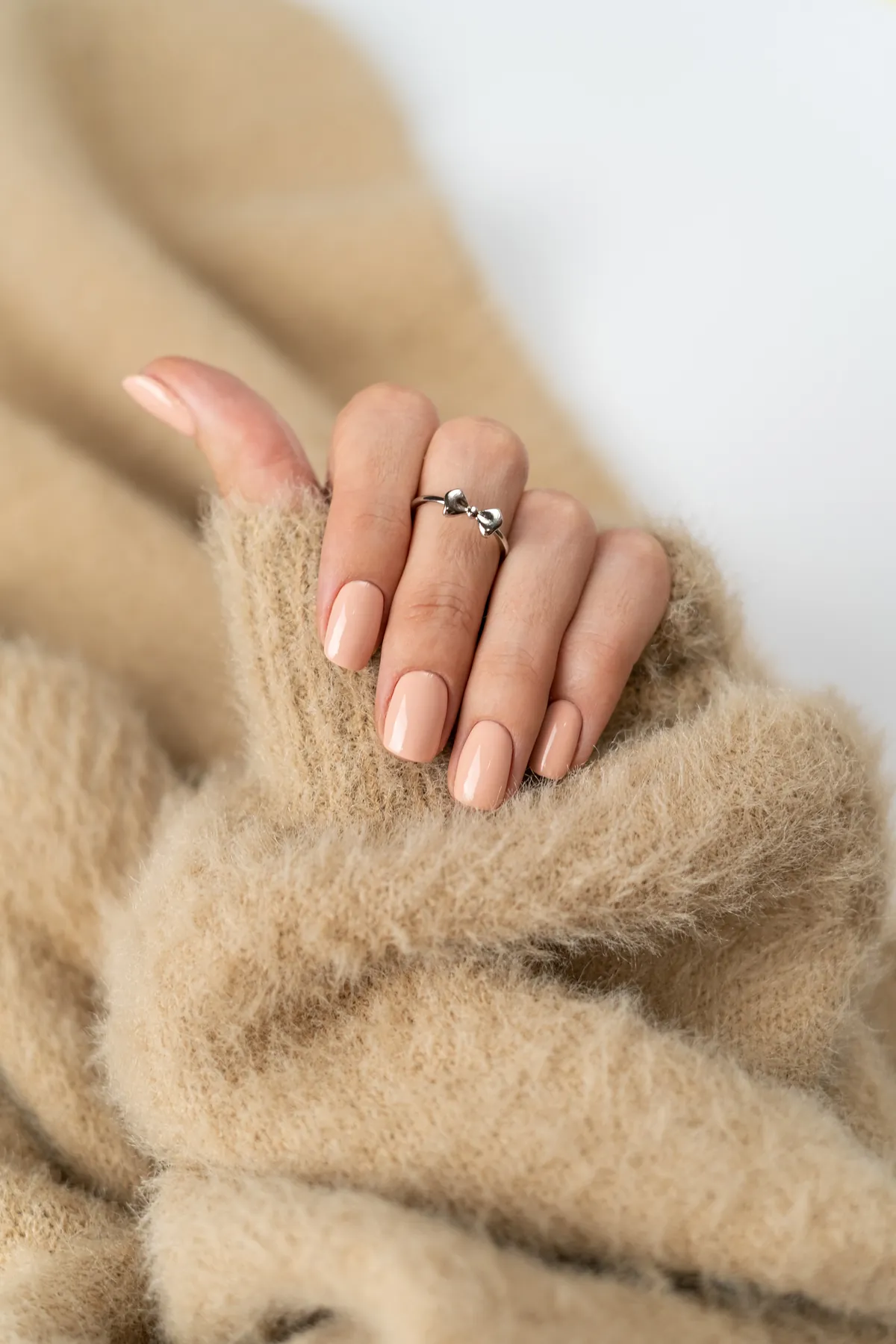
- : a square with softened corners, one of the easiest shapes to live with.
- Round: follows the curve of the fingertip, practical and understated.
- Oval: longer, with a rounded tip, soft and classic.
- Almond: slim sides tapering to a rounded peak, like the nut it is named after.
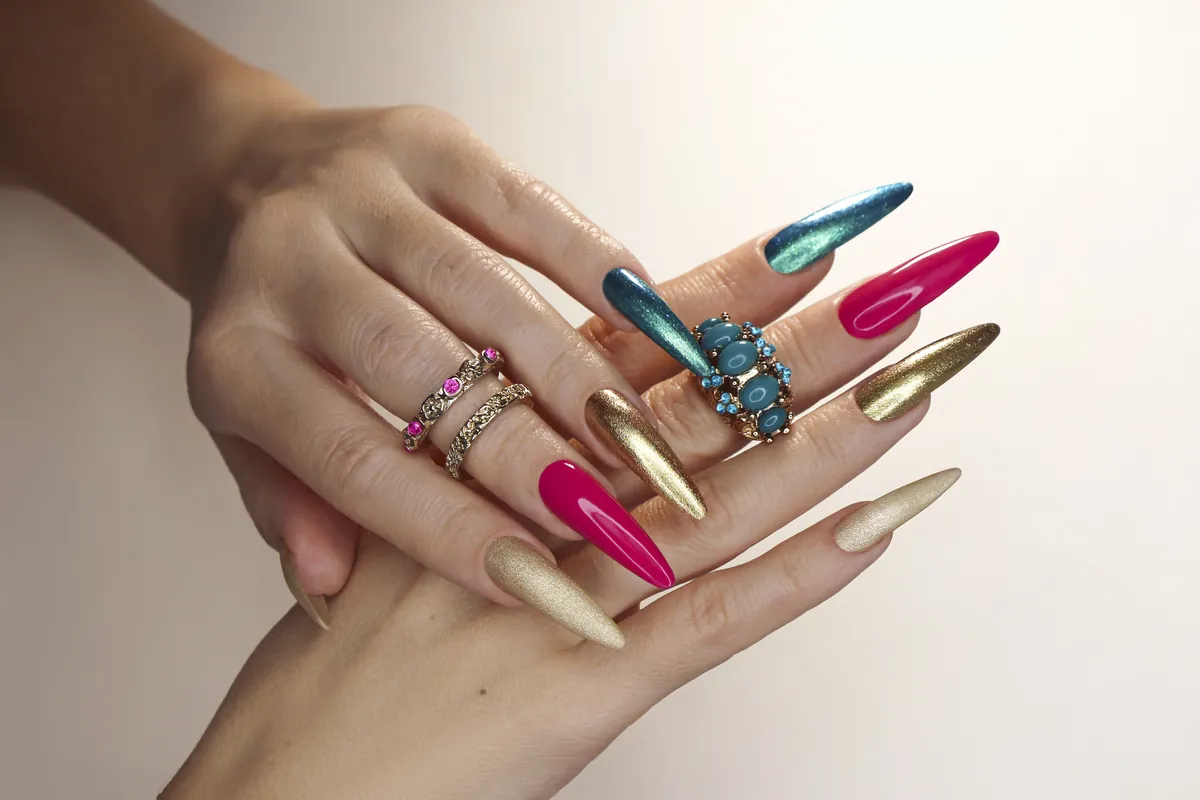
- Stiletto: tapers to a point, the most dramatic of all.
- Coffin or ballerina: tapered sides with a flat tip, named after the shape of a coffin or a ballet pointe shoe.
- Lipstick: a slanted tip, set at an angle like a new lipstick.
Strength and practicality
Shapes with a wider tip, such as square, squoval and round, spread stress more evenly across the free edge. That makes them a sensible choice if you type a lot, work with your hands or simply prefer not to think about your nails during the day. Squoval in particular combines the strength of a square with corners that are less likely to catch.
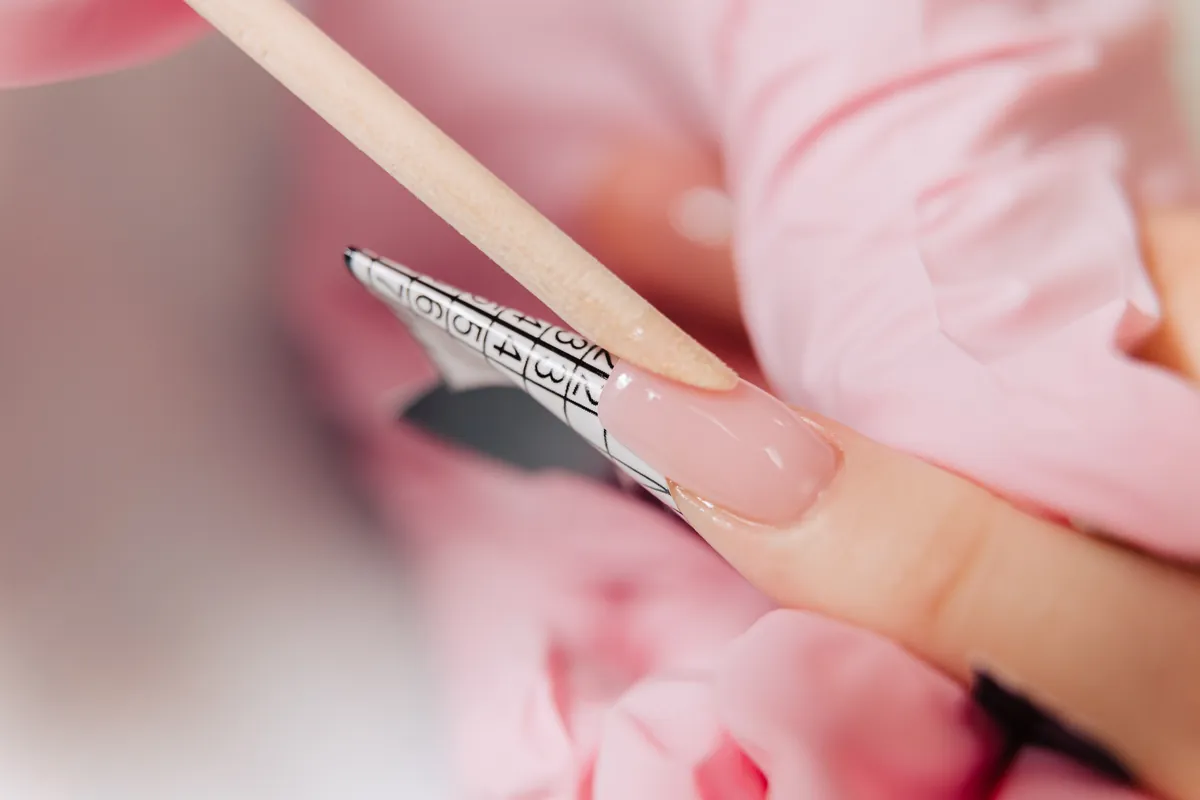
Pointed shapes behave differently. A stiletto has a narrow tip, and a natural nail filed to a point rarely has the strength to hold it for long. That is why stiletto and other sharply tapered looks usually rely on an , which adds structure where the natural nail would bend or snap. Coffin sits in between: tapered like a stiletto but finished with a flat tip, it needs some length for the taper to show.
Length plays its part too. The longer the free edge, the more leverage acts on the stress area each time the tip meets a keyboard or a car door, so even a sturdy shape benefits from moderation if your nails tend to break.
How shapes change the look of the hand
Oval and almond shapes tend to make fingers look longer, because their tapering lines carry the eye beyond the fingertip. They flatter a wide range of hands and work well at moderate lengths. Almond in particular looks refined without the drama of a full point, which makes it an easy step for anyone moving beyond round or squoval.
Round and squoval are practical for short nails. They follow the fingertip closely, so they feel natural and look neat even with very little free edge. Square gives a strong, architectural line, while coffin, stiletto and lipstick are statement shapes that suit bold colour and nail art.
Before choosing a shade, it is worth choosing a shape with the same care.
Think about proportion as well as fashion. A shape that echoes the natural outline of your cuticle often looks the most harmonious, and a moderate length usually reads as more polished than an extreme one worn on nails that are not ready for it.
How to file each shape
Good filing is slow and deliberate. Work from each side towards the centre in one direction, rather than sawing back and forth, and take off a little at a time. It is always easier to remove more than to wait for length to grow back.
Choose a fine file for natural nails, since coarse files are made for extensions and can leave a natural free edge rough. File when your nails are dry: nails soften when wet and are then more likely to tear or split. Finish with a light stroke along the underside of the free edge to smooth away any roughness.
- Decide on the length first and shorten the nail before you start shaping.
- File from each side towards the centre, always in one direction.
- For square, keep the file straight across the tip; for squoval, then soften each corner with a light stroke.
- For round, oval and almond, follow the curve gradually, taking the same amount from each side.
- For coffin, taper the sidewalls first, then file the tip straight across.
- Check the shape from the palm side and from above, and correct any side that looks uneven.
There is no wrong shape, only one that suits your hands and your days better than another. Choose for the life you lead, then let colour and art do the rest.
Glossary
- Free edge
- The part of the nail that extends beyond the fingertip.
- Sidewalls
- The edges along each side of the nail, which define how straight or tapered a shape looks.
- Stress area
- The point where the nail leaves the nail bed, where it is most likely to bend or break.
- Squoval
- A square shape with softened corners, combining strength with a gentler outline.
- Extension
- Added length built or attached onto the natural nail, giving structure to long or pointed shapes.
Questions and answers
Which nail shape is best for short nails?
Round and squoval are the most practical choices. Both follow the fingertip closely, look neat with very little free edge and spread stress evenly, so they are less likely to break. If you want short nails to look a little longer, a soft oval can work too, as long as there is enough length for the curve.
Can I wear stiletto nails on my natural nails?
It is possible with strong, long natural nails, but rarely practical. A stiletto tapers to a narrow point, and the natural nail usually lacks the strength to hold that point for long without bending or snapping. That is why the shape is usually worn as an extension, which adds the structure the natural nail cannot provide.
Is there a difference between coffin and ballerina nails?
No, the two names describe the same shape: tapered sides finished with a flat tip. One name comes from the outline of a coffin, the other from the flattened end of a ballet pointe shoe. Whichever name you use, the filing technique and the finished result are identical, and the shape usually needs some length for its taper to show.