A short history of nail polish
From the nail colours described in ancient China to soak-off gel: how coloured nails moved from a mark of rank to an everyday form of self-expression.
Today a bottle of nail polish is an everyday object, easy to find and varied enough to match any outfit. For most of history, coloured nails meant something far more specific: rank, wealth or freedom from manual work. The story of how that changed runs from ancient traditions through the car industry of the 1920s to the gel manicure of today.
Ancient colour and the language of rank
Many histories describe nail colour in ancient China made from beeswax, egg white, gelatin, vegetable dyes and gum arabic, and they often date it to around 3000 BCE. In these accounts, colours were linked with social rank, with certain shades reserved for those at the top. Early sources are scarce, so the details are best treated as tradition rather than precise record. The idea that nail colour carried status, however, runs through the whole story.
In ancient Egypt, was used to stain fingertips and nails. The plant dye gives a warm reddish orange tone, and it is still used for body art in many cultures today. Few beauty materials connect the ancient world and the present quite so directly.
Long nails as a statement
Colour was not the only way nails signalled status. In Qing dynasty China, aristocratic women wore long nail guards of gold or silver. These ornate sheaths protected and extended the nails, and they made one thing clear: the wearer did not do manual work. Many of these guards survive in museum collections today, where they are admired as fine metalwork as much as accessories.
The same message echoes through many periods. Long, carefully kept nails are impractical for physical labour, so they have often been read as a sign of leisure. Seen this way, a modern long almond or stiletto shape carries a very old meaning, even if today it is chosen for style rather than to announce social standing.
From car paint to the vanity table
The decisive technical step came in the 1920s, when glossy lacquers developed for cars inspired the first modern nail polishes. Such lacquers were based on , a film-forming material that dries to a hard shine, and adapted formulas remain the backbone of conventional nail polish today.
A fashionable look of the 1920s and 1930s was the moon manicure, which left the base of the nail unpainted. That pale half moon at the base is called the , and leaving it bare gave the manicure a graphic, almost architectural quality. Designers still revive the idea, often with a deep shade that makes the bare crescent stand out.
Revlon and the arrival of opaque colour
In 1932 the brothers Charles and Joseph Revson founded Revlon together with the chemist Charles Lachman, who contributed the L in the company’s name. Their first product was a nail enamel with opaque colour. Instead of a translucent tint, women could now wear a solid, even shade from cuticle to tip.
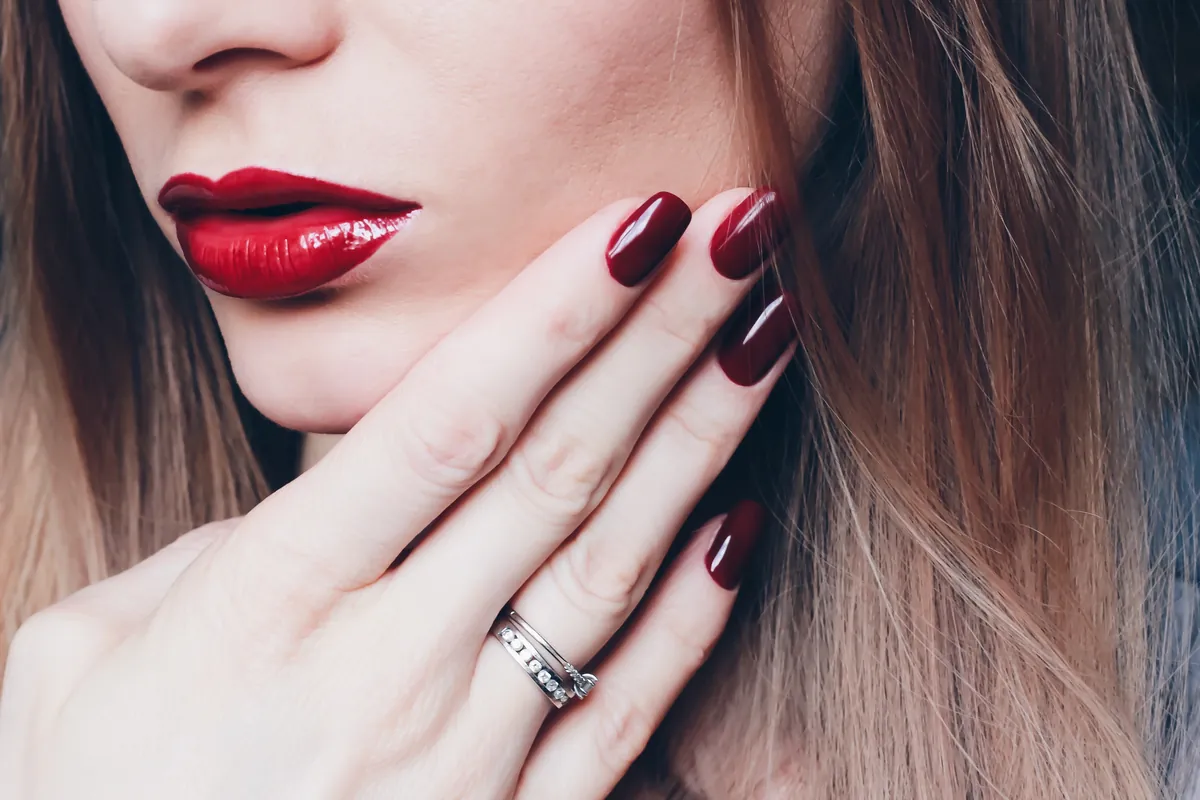
Opaque colour changed how polish was worn. A nail shade could be chosen to go with clothes and, later, with a matching lipstick. Nail colour stopped being a discreet finishing touch and became part of a complete, deliberate look.
Nail colour stopped being a discreet finishing touch and became part of a complete, deliberate look.
French tips and the age of technique
Later decades brought variety in technique as much as in colour. The French manicure appeared in the mid 1970s and is credited to Jeff Pink, founder of Orly. Its natural pink base and clean white tip offered a groomed look that suited almost any outfit and occasion.
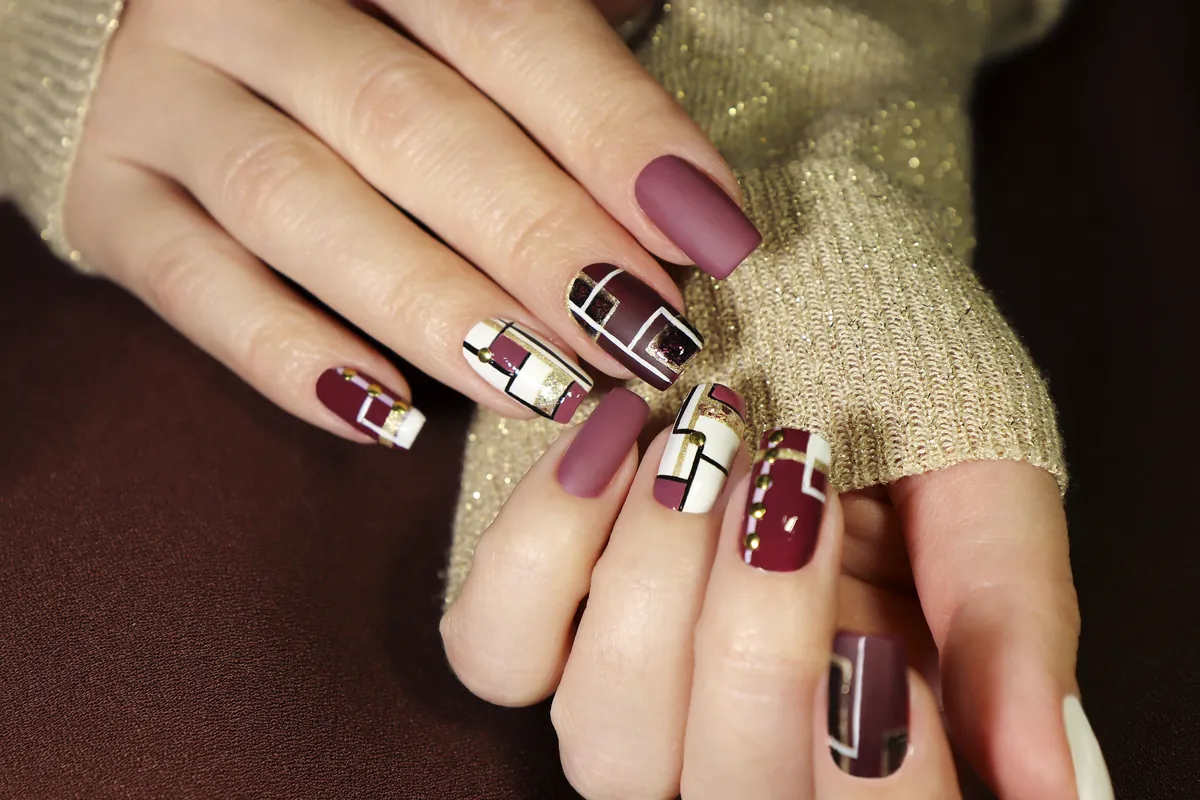
The success of the French manicure showed that a manicure did not need strong colour to make a statement. Shape, proportion and precision could be the point. Its many modern variations, from micro tips to coloured and reverse versions, still build on that idea.
Gel and the modern manicure
The most recent turning point came with polishes that are applied like regular polish. They became widely available around 2010. Each layer is cured under a UV or LED lamp, and the finish stays glossy and resists chipping for longer than conventional polish. Removal involves soaking rather than heavy filing, which protects the natural nail when it is done patiently.
Gel also changed expectations. A manicure that stays intact through weeks of typing, cooking and travel turned nail colour into something people could plan around rather than touch up every few days. Conventional polish kept its appeal for anyone who likes to change shade often or prefers to paint at home.
Today conventional polish, gel and hand painted nail art exist side by side. What began as a sign of rank has become one of the most accessible forms of self-expression: a choice you can change every few weeks, on a canvas you carry everywhere.
Glossary
- Nitrocellulose
- A film-forming material used in lacquers. It dries to a hard, glossy layer and is the basis of conventional nail polish.
- Lunula
- The pale, half moon shaped area at the base of the nail, left bare in a moon manicure.
- Nail guard
- An ornate sheath worn over long nails, made of gold or silver by aristocratic women in Qing dynasty China.
- Henna
- A plant dye that stains skin and nails a reddish orange, used in ancient Egypt and in body art today.
- Soak-off gel
- A gel polish applied like regular polish, cured under a UV or LED lamp and removed by soaking.
Questions and answers
Did people in ancient China really paint their nails?
Many histories say so, describing mixtures of beeswax, egg white, gelatin, vegetable dyes and gum arabic, often dated to around 3000 BCE. Early sources are scarce, so these details are best read as tradition rather than precise record. What is clear is that nails carried status in imperial China, for example through the gold and silver nail guards of the Qing dynasty.
Why did Revlon’s first nail enamel matter?
It offered opaque colour. Earlier polishes tended to give a sheer tint, so a solid, even shade made nail colour far more visible and expressive. It allowed polish to be chosen to go with clothes and, later, with a matching lipstick, which helped turn nail colour into a fashion statement rather than a simple grooming step.
Is gel polish the same as acrylic?
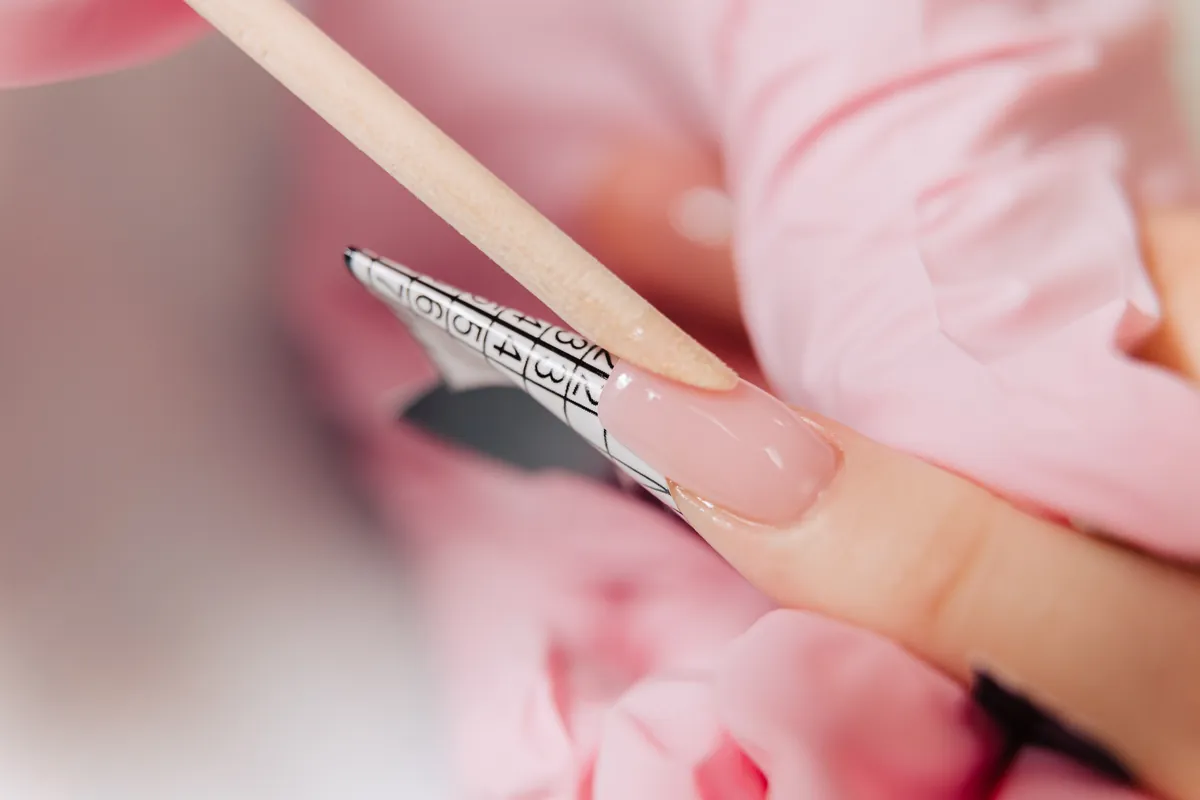
No. Soak-off gel is brushed on like regular polish, cured under a UV or LED lamp and removed by soaking. Acrylic nails are built from a liquid and powder mixture that hardens into an extension or an overlay on the natural nail, and they are usually filed down before soaking. Either way, careful removal protects the natural nail.