Small canvas, big statement: nail art as self-expression
Why a few millimetres of colour matter so much: an essay on identity, ritual, creativity and the international culture of nail art.
Of all the surfaces we decorate, nails may be the smallest. A fingernail is only around a centimetre wide, yet people spend hours choosing colours, collecting ideas and sitting still while a design takes shape. That devotion is not vanity. A few millimetres of colour can carry identity, mood, memory and craft, and they do it on a canvas you see every time you look at your own hands.
A canvas that changes with you
Most forms of personal style ask for commitment. A haircut takes months to grow out, and a tattoo is meant to last. Nails sit at the other end of the scale: a small, changeable canvas on which a design can be changed every few weeks. That rhythm makes them ideal for experiment.
You can try a colour you would never wear as a dress, test a graphic pattern before a big occasion or mark a turning point in your life with a new look. If it does not feel right, it will grow out or come off. The low risk is precisely what gives people the freedom to be bold.
There is also a private side to this canvas. Unlike clothes or make-up, your nails are constantly in your own field of view. A design you love keeps you company through the day: at the keyboard, around a coffee cup, on the steering wheel.
The language of small signs
Nail art often speaks without words. Personal motifs such as initials, small hearts, stars or a single let people carry a meaning that only they, or a few close friends, fully understand.
- Initials for a partner, a child or a name you want to keep close.
- Small hearts and stars as quiet symbols of affection, luck or celebration.
- A single accent nail that marks an occasion while the rest of the hand stays understated.
- Colours with a story, such as the shade of a team, a flag or a favourite place.
These signs work because they are small. A hand covered in decoration announces itself to everyone. A tiny star on one ring finger invites a question, and the answer belongs to the wearer.
A tiny star on one ring finger invites a question, and the answer belongs to the wearer.
Ritual and the quiet appointment
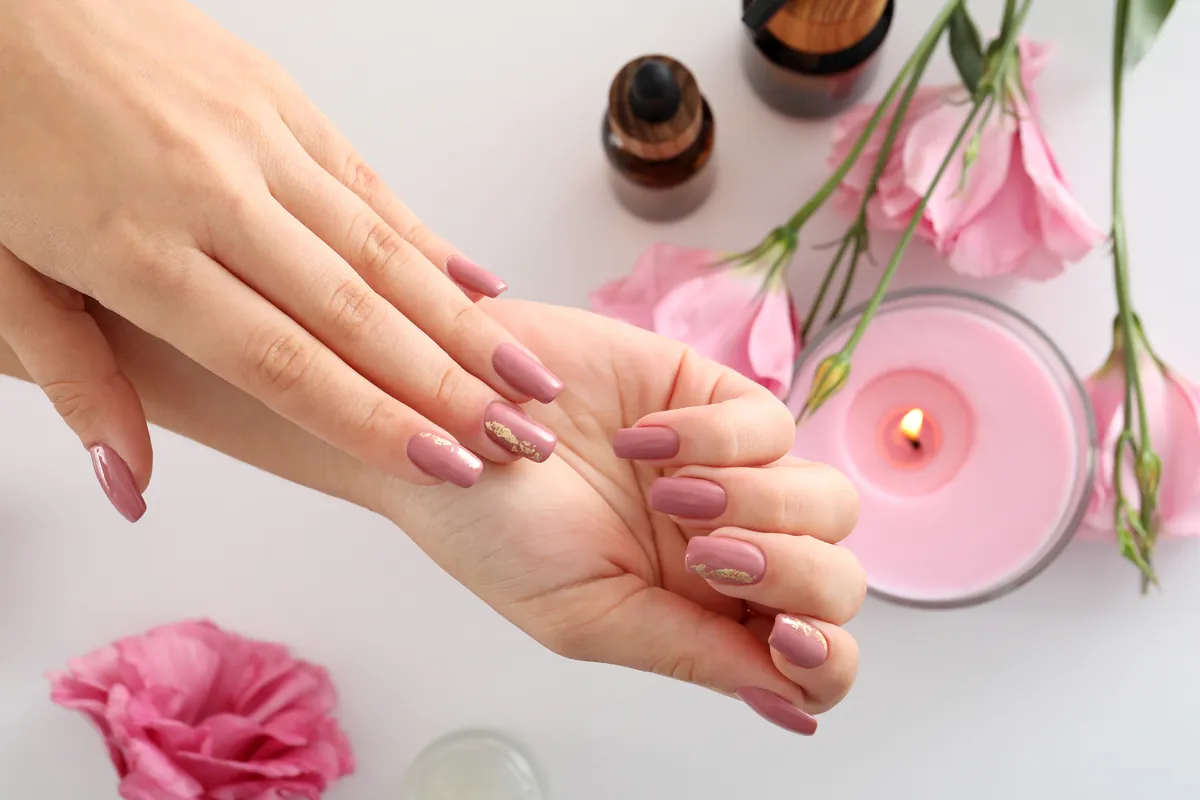
A manicure can be a ritual of self-care: a regular, quiet appointment with yourself or with a trusted technician. For the length of the treatment your hands are still, your phone is out of reach and someone is paying close attention to a part of you that works hard all day.
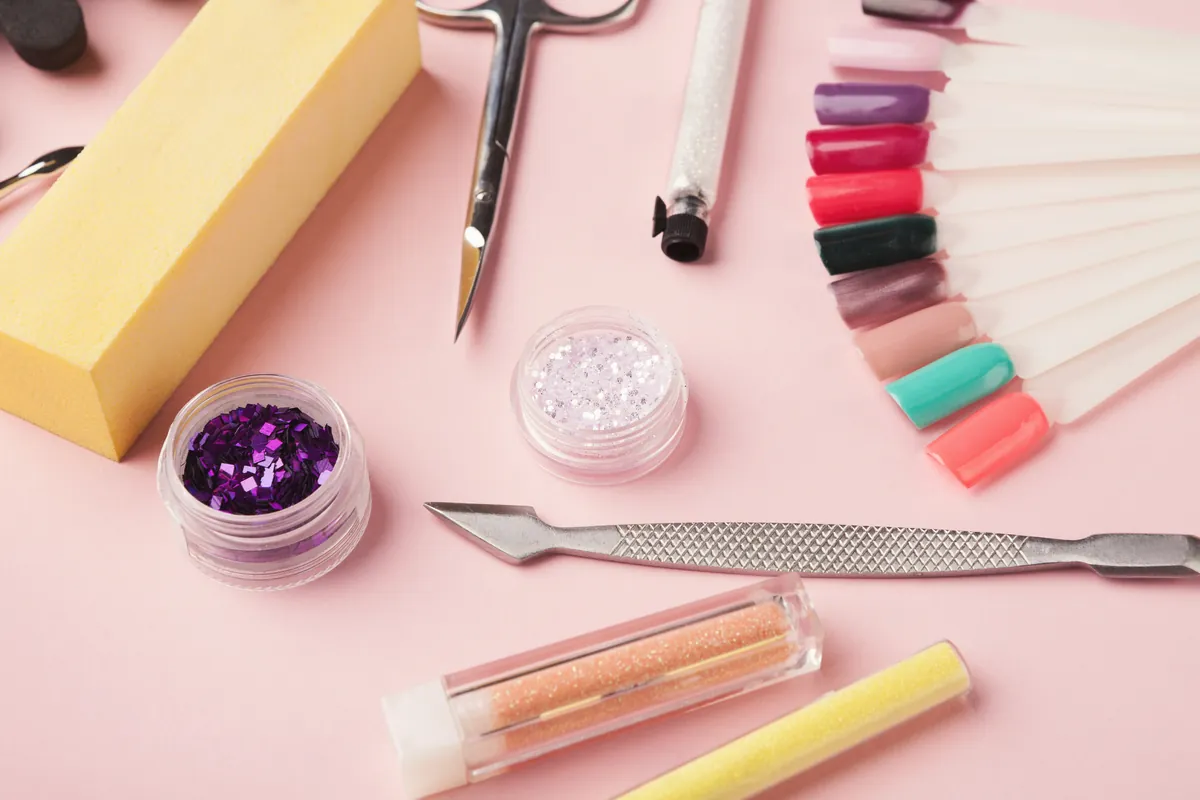
At home the ritual looks different but serves a similar purpose. Filing, shaping and painting ask for patience and focus. The process can feel calming: a few unhurried minutes in which the only task is a clean line of colour.
The relationship with a technician deserves its own mention. Over months, a good nail artist learns your taste, your nail shape and your habits. Choosing a design together becomes a small creative collaboration, one that can be as enjoyable as the result itself.
A culture without borders
Nail art has become one of the most international forms of everyday design. Japan is known for elaborate nail art, including three-dimensional designs with sculpted flowers, charms and layered textures. The Japan Association was founded in 1985 and runs certification exams for nail technicians, a sign of how seriously the craft is taken there.
Social media platforms spread nail art styles internationally and turned many nail artists into creators with their own audiences. A technique developed in one studio can be seen, adapted and reinterpreted on the other side of the world within days. Local traditions still matter, but they now meet and mix in public.
This exchange has changed how people think about nails. A manicure is no longer only grooming. It is a field of design with its own vocabulary, training and signature styles, and its best artists are known by name.
Craft behind the statement
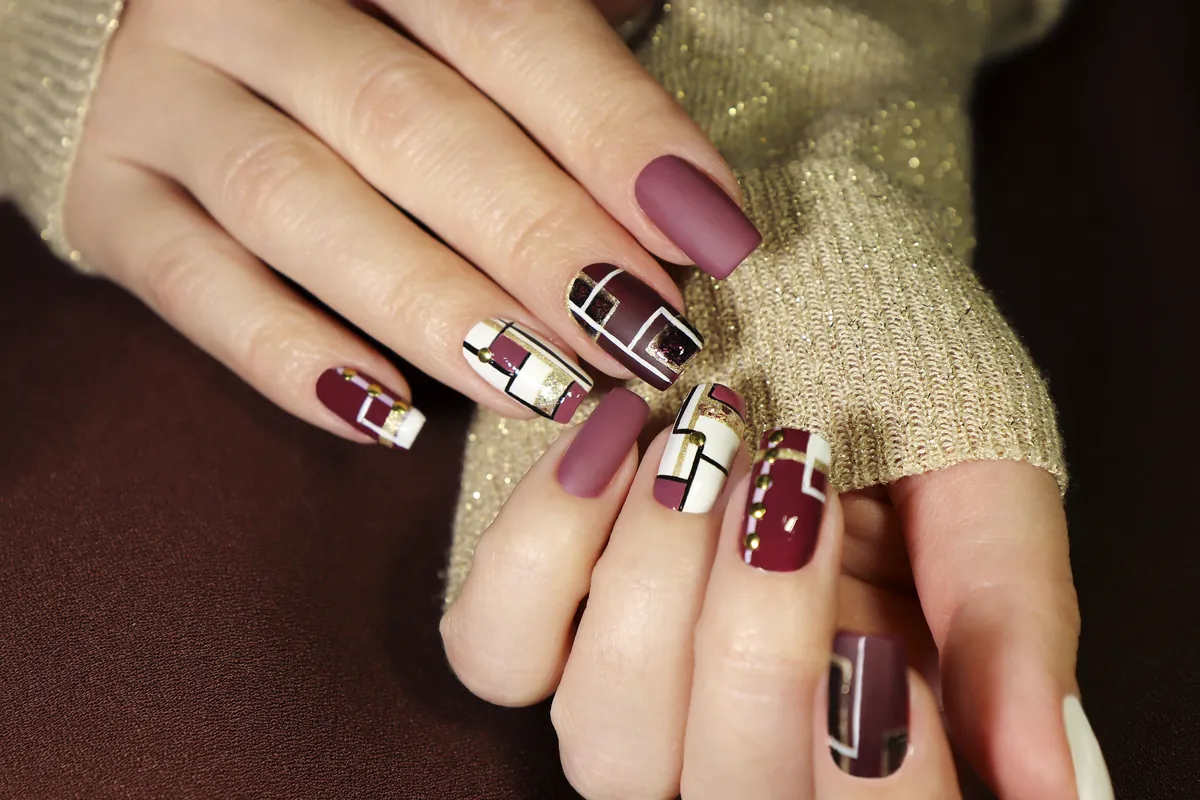
Behind every expressive set of nails stands technique. Clean cuticle work, a balanced shape and even layers are what let a design read clearly. A bold idea painted carelessly looks like an accident. A simple idea painted precisely looks intentional.
That is why the most personal nail art is often a collaboration between the wearer’s ideas and the artist’s skill. You bring the meaning, the reference or the mood. The technician translates it into proportion, colour and line that suit your hands and your daily life.
Choosing what to say
If you want your nails to say something, start with a question rather than a picture: what do you want to feel when you look at your hands? Calm might mean a sheer milky base with one fine line. Celebration might mean a starry accent nail. Confidence might mean a single, perfectly painted colour.
Self-expression does not require complexity. Some of the most personal manicures are almost invisible to others. What matters is that the design feels like yours, and that it can change when you do.
Glossary
- Accent nail
- A single nail painted differently from the others to create a focal point or carry a personal motif.
- 3D nail art
- Designs with raised elements such as sculpted flowers, charms or textures, rather than flat colour alone.
- Nail technician
- A trained professional who shapes, cares for and decorates natural or artificial nails.
- Nailist
- A term used in Japan for a nail technician or nail artist.
Questions and answers
Is nail art only for long nails?
No. Short nails are an excellent canvas, especially for minimal designs such as a fine line, a small dot or a single motif near the cuticle. On short nails, delicate details often look more deliberate, because the eye takes in the whole design at once. Longer nails simply offer more room for gradients, layered patterns and three-dimensional elements.
How can I make nail art feel personal without it looking busy?
Limit the design to one idea and one or two accent nails. Choose a motif with meaning, such as an initial or a small star, and keep the other nails in a calm base shade that supports it. Small scale and restraint make a personal sign more striking, and they let the design fit into everyday life.
Can nail art be suitable for work?
Usually, yes. Minimal designs, such as a sheer base with a fine metallic line or a discreet accent nail, suit most workplaces. If your role involves strict hygiene rules or a dress code, check them first, as some professions limit nail length or decoration. Within those limits, a carefully finished design reads as attention to detail.