Gel, BIAB or regular polish: which manicure suits you
Three systems, three ways of living with your nails. How regular polish, gel and builder gel work, how long they last and how they come off.
Walk into almost any salon and the menu asks you to choose before you have even sat down: classic polish, gel or builder gel, sometimes dip powder too. The names sound similar, but the systems behave very differently on the nail. They set in different ways, last for different lengths of time and, most importantly, come off in different ways. Here is how they compare, so you can choose for your nails rather than for the trend.
Regular polish: the flexible classic
Regular nail polish dries in the air. As its solvents evaporate, the film of colour left behind hardens on the nail. There is no lamp and no special removal: a cotton pad with remover takes it off in minutes.
The trade-off is wear. Depending on your hands and your day, a classic manicure typically lasts from a few days to about a week before the tips begin to chip. For many people that is no drawback at all. If you like to change colour often, enjoy painting your own nails or want to give your nail plates a rest between more durable services, regular polish is the most forgiving choice.
Gel polish: colour that cures
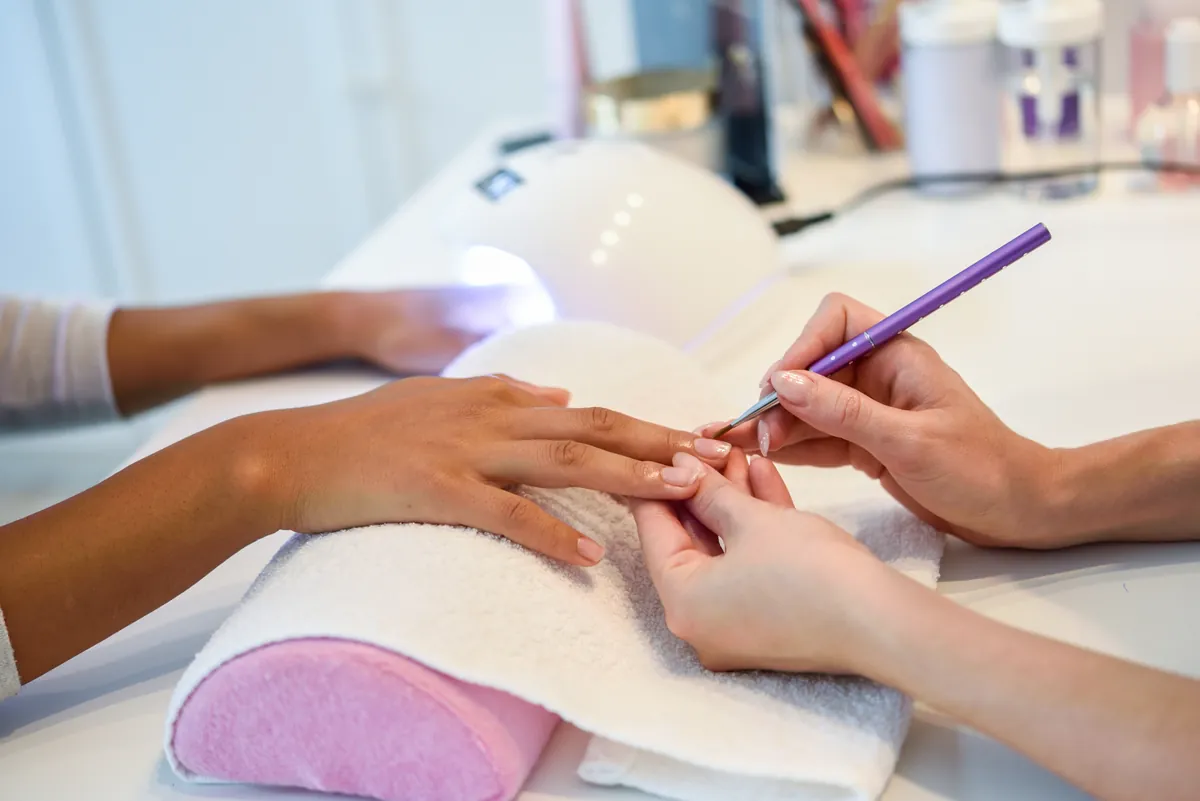
Gel polish looks like regular polish in the bottle, but it works differently. It contains photoinitiators, ingredients that react to light, and it hardens, or cures, under a UV or LED lamp. Each coat usually needs from a few seconds to a couple of minutes under the lamp, and the nails are fully set the moment you leave the table.
That instant hardness is a large part of the appeal. Gel polish typically wears for two to three weeks with a high shine and few chips. Some gels leave a slightly tacky surface after , which is wiped away with a cleanser to reveal the gloss.
Removal is where gel asks for patience. The shiny top coat is filed off so that acetone can penetrate, then the nails are soaked until the gel softens and can be eased away. Peeling or picking gel off takes the top layers of the nail plate with it, which is why thin, patchy nails so often follow a removal done in a hurry.
BIAB and builder gel: strength first
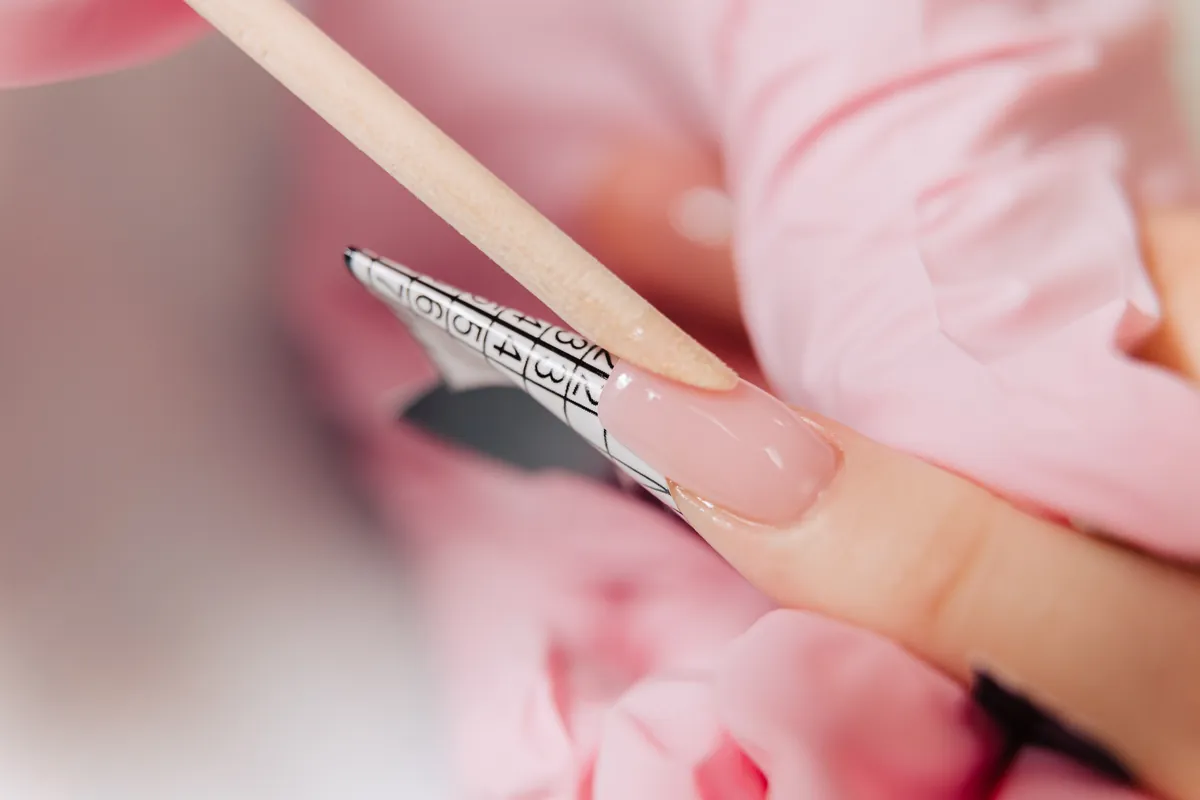
Builder gel is a thicker gel designed to add structure. Technicians use it to strengthen weak or bendy natural nails, to smooth out ridges and to give the nail a gentle , the slightly raised area that helps it resist breaking. BIAB stands for builder in a bottle: a builder gel that is brushed on like polish rather than sculpted from a pot.
The real difference lies in maintenance. Instead of being removed completely every few weeks, a builder gel manicure is usually refreshed with an every three to four weeks. The technician files back the existing product, fills the regrowth near the cuticle and rebalances the shape. Because the layer of product protects the free edge, many people use builder gel while growing their natural nails longer.
When you do want it off entirely, builder gel is filed down and usually soaked, and the thicker layer takes longer to remove than gel polish. Salons often use the name BIAB for brush-on builder gels in general, so ask what your salon actually uses if you have reacted to a nail product before.
Dip powder: the lamp-free option
Dip powder sits somewhere between the systems. The nail is coated with a base liquid, dipped into coloured powder, and the layers are sealed with an activator. No lamp is needed, which some clients appreciate. Hygiene-minded salons pour the powder over the nail or give each client a separate portion, rather than dipping every client’s fingers into the same jar. Removal usually means filing back the surface and soaking in acetone, much like gel.
Lamps, skin and safety
Any system that cures under a lamp raises a fair question about the light itself. In 2023, a laboratory study published in the journal Nature Communications found that radiation from UV nail dryers damaged DNA in human and mouse cell lines. The researchers said more work is needed to understand what this means for people, as the study was carried out on cells rather than on clients.
If you want to reduce exposure, dermatologists suggest applying a broad spectrum sunscreen to your hands before the appointment or wearing fingerless gloves while your nails cure. Both are simple, and a good technician will not mind either.
The other point is skin contact. Gel and acrylic products are built from (meth)acrylates, and dermatologists have reported a rise in allergic reactions to them, often linked to uncured product touching the skin. Careful application keeps product off the cuticles. If you notice itching, redness, swelling or a nail loosening after a gel service, pause gel treatments and see a dermatologist.
Which manicure suits you
- Regular polish suits you if you change colour often, paint your own nails or want the gentlest removal.
- Gel polish suits you if you want two to three weeks of chip-free colour and can commit to patient, professional removal.
- Builder gel or BIAB suits you if your nails are thin, bendy or slow to grow and you are happy to return for infills.
- Dip powder suits you if you prefer a durable finish without a lamp, at a salon with good powder hygiene.
None of these is better in absolute terms. The best choice is the one that matches your nails, your hands’ daily workload and how often you can realistically return to the salon. A builder gel that is never infilled grows out awkwardly, and a gel manicure peeled off at home costs more nail than it ever saved in time.
The best choice is the one that matches your nails, your hands’ daily workload and how often you can realistically return to the salon.
Glossary
- Curing
- The hardening of gel products under a UV or LED lamp, triggered by light-sensitive photoinitiators in the formula.
- Photoinitiator
- An ingredient that reacts to light and starts the hardening process in gel polish and builder gel.
- Infill
- A maintenance appointment where regrowth near the cuticle is filled and the existing product rebalanced, instead of a full removal.
- Inhibition layer
- A slightly tacky film left on some gels after curing, wiped away with a cleanser to reveal the shine.
- Apex
- The slightly raised, strongest area of a structured manicure, built to help the nail resist breaking.
Questions and answers
Is BIAB better for my nails than gel polish?
Builder gel is thicker and designed to add strength, so it can help thin or bendy nails, especially when it is maintained with infills every three to four weeks rather than removed each time. It is not automatically gentler, though. Any product that is filed too hard or peeled off will damage the nail plate. Good application and patient removal matter more than the name on the bottle.
Can I remove gel polish at home?
You can, if you take your time. File away the shiny top coat first, then soak the nails in acetone until the gel softens and can be eased off gently. Never peel or prise it, because that lifts layers of the nail plate. Acetone dries the skin, so finish with cuticle oil and hand cream. If removal feels difficult or painful, leave it to a technician.
Are UV nail lamps safe?
A 2023 laboratory study in Nature Communications found that radiation from UV nail dryers damaged DNA in human and mouse cell lines, and the researchers said more work is needed to understand the risk for people. To reduce exposure, dermatologists suggest broad spectrum sunscreen on the hands or fingerless gloves during curing. If you have concerns about your skin, speak to a dermatologist.